
Buster

Buster

Alan Burns

Alan Burns

Buster was the first, and arguably the most traditional, work of fiction by Alan Burns—dating from before his aleatoric style developed into "cutting up", but displaying early examples of the trademark disjointed, brisk and biting style which earned him a cult following. Imbued with autobiographical sentiment, the novel shows a young man's upbringing during World War II and his disillusioned vision of the post-war world. Never before published in standalone volume form since its original publication in the inaugural New Writers anthology in 1961, Buster is characteristically succinct and of huge literary merit, but in its autobiographical and pre-aleatoric style it provides, perhaps more importantly, a key to understanding the rest of Burns's works.
Read online
  • 443
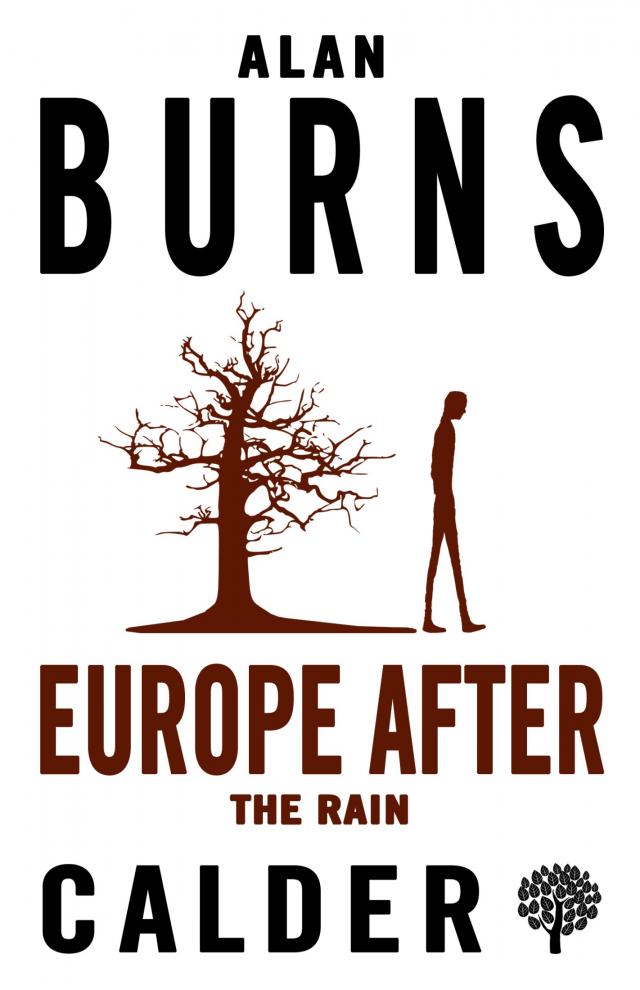
Europe After the Rain

Europe After the Rain

Alan Burns

Alan Burns

Europe after the Rain takes its title from Max Ernst's surrealist work, which depicts a vision of rampant destruction - a theme which Burns here takes to its conclusion, showing man not merely trying to come to terms with desolation, but combating human cruelty with that resilience of spirit without which survival would be impossible. The Europe through which the unnamed narrator travels is a devastated world, twisted and misshapen, both geographically and morally, and he is forced to witness terrible sights, to which he brings an interested apathy, without ever succumbing to despair or cynicism. Upon the novel's first publication, Burns was heralded as presenting a picture of his age and capturing the 'collective unconscious' of the twentieth century - in a language that can have few rivals for economy, beauty and rhythm. His austere sentences glow with intelligence, colour and force, and evoke a powerful image for the modern reader of fears every bit as relevant today as on...
Read online
  • 249
183